Evidence Preservation Guide
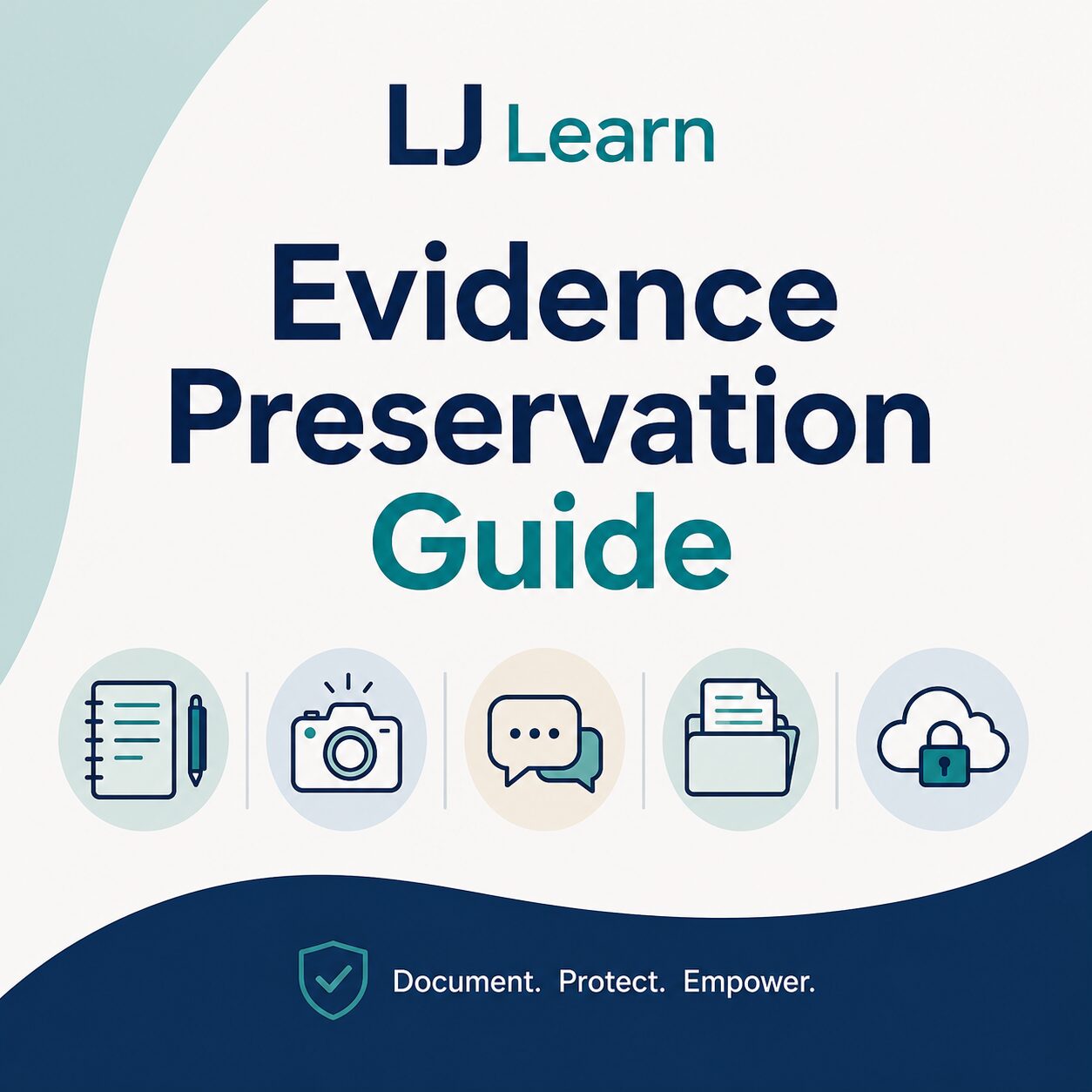
What you document can protect you. Whether you are dealing with a housing dispute, a dangerous home situation, a custody matter, or any crisis involving your family’s safety or rights, a well-preserved record can make the difference between being believed and being dismissed. This guide walks you through what to collect, how to store it, and why it matters.
Why Evidence Matters
Courts, caseworkers, housing authorities, law enforcement, and advocates all work from documentation. Your memory of events is important, but a timestamped photo, a saved text message, or a written log carries weight in ways that spoken accounts often cannot. Starting early and staying consistent gives you the strongest foundation.
Start a Written Log
Keep a running record of events as they happen. Write down dates, times, locations, and the names of anyone involved. Describe what was said and what happened in plain language. Do not editorialize or speculate, just record what you saw, heard, and experienced. A simple notebook works, but a notes app on your phone that automatically syncs to the cloud is even better because it creates a timestamped backup you control.
Include the names and badge numbers of any police officers, inspectors, or officials you interact with. Write down case numbers, complaint numbers, or any reference numbers you are given.
Photograph and Video Everything
Use your phone to document physical conditions, injuries, property damage, or unsafe situations. Take photos and videos with location services turned on so the metadata embeds your GPS coordinates and timestamp automatically. Do not just take one shot, take several from different angles and distances. Photograph the surrounding context, not just the damage itself.
If you are documenting a housing issue, photograph every affected area including ceilings, walls, floors, windows, appliances, and entry points. If there is mold, pest activity, water damage, or structural problems, capture the full scope.
If you have visible injuries, photograph them immediately and again over the following days as they change. Medical records and photographs together create a stronger record than either alone.
Save Every Message
Do not delete texts, emails, voicemails, or social media messages, even ones that seem minor. Screenshots are your friend but also back up the originals when possible. For text messages, use your phone’s built-in backup feature or a dedicated backup app. For emails, forward important threads to a secure email account only you control, ideally one that is not connected to a shared household or work account.
If someone makes a verbal threat or admission, write it down immediately with the time, date, and any witnesses present.
Collect Official Documents
Gather every piece of paper connected to your situation. This includes lease agreements, mortgage documents, inspection reports, court orders, protective orders, police reports, medical records, school records, letters from agencies, and any notices you have received. Make copies and store originals somewhere safe, ideally outside your home if your home is part of the dispute or danger.
If you receive documents electronically, download them and save them to a cloud folder you control. Do not rely solely on links that could expire or be revoked.
Use Cloud Storage
Store copies of everything in a cloud account that only you can access. Google Drive, iCloud, Dropbox, and similar services let you upload photos, videos, documents, and notes from your phone in real time. Create a dedicated folder for your situation and organize by date and category. If your situation involves a shared household or a partner who has access to your accounts, create a new account on a device or browser they do not use.
Tell someone you trust, such as a family member, advocate, or attorney, where your documentation is stored so it is not lost if something happens to your device.
Know What Not to Do
Do not share your evidence publicly on social media before consulting an attorney or advocate. Do not alter, edit, or enhance photos or documents in any way. Do not record conversations without understanding your state’s consent laws. Texas is a one-party consent state, meaning you can generally record a conversation you are part of, but laws vary and an advocate or attorney can clarify what applies to your situation.
Do not wait. Evidence disappears. Injuries fade, landlords make repairs before inspections, messages get deleted, and memories blur. Document now, even if you are not sure you will need it.
Getting Help
If you are working with a caseworker, attorney, housing advocate, or domestic violence organization, share your documentation with them early. They can help you understand what is most relevant to your situation and how to present it effectively.
If you need help getting started or do not know where to turn, reach out to your local 211 service for referrals to legal aid, housing assistance, domestic violence support, and family crisis resources.
You have the right to document your life. Use it.
Thanks for Reading!
Looking for more insights, exclusive offers, and expert tips? Stay connected with the LJ Learn newsletter! Join our community of curious minds and passionate learners to continue your lifelong learning journey.